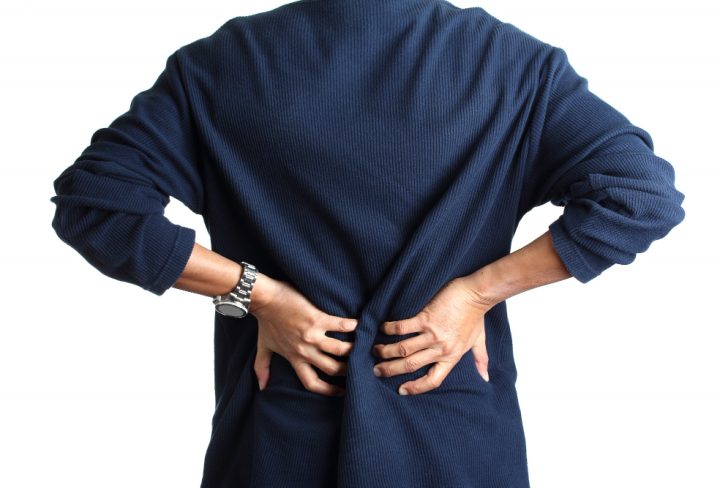
What is Lumbar Canal Stenosis?
Lumbar canal stenosis is a condition where the space inside the lower back narrows. This space, called the spinal canal, holds the nerves that travel to your legs. When the canal gets tight, it can press on these nerves. As a result, you may feel pain or weakness. Many people over age 50 develop lumbar canal stenosis. However, it can affect younger adults too.
Common Symptoms
Symptoms of lumbar canal stenosis often start slowly. Over time, they may get worse. But not everyone has the same signs. Here are some common lumbar canal stenosis symptoms:
Sometimes, symptoms can affect both legs. In rare cases, you may have trouble controlling your bladder or bowels. If this happens, seek help right away.
Causes and Risk Factors
There are several reasons why lumbar canal stenosis develops. Most often, it happens as people age. The bones and tissues in the spine can change over time. But other causes exist too. Here are some common causes and risk factors:
Additionally, people with a family history of spine problems may be at higher risk. Obesity and lack of exercise can also increase your chances.
How is Lumbar Canal Stenosis Diagnosed?
Doctors use several steps to diagnose lumbar canal stenosis. First, they ask about your symptoms and medical history. Next, they do a physical exam. During the exam, your doctor may check your strength, reflexes, and how you walk. But to confirm the diagnosis, imaging tests are often needed. These tests help your doctor see the spinal canal and nerves. Common tests include:
Sometimes, your doctor may order other tests to rule out different problems. Early diagnosis can help you get the right treatment for lumbar canal stenosis.
Treatment Options
Treatment for lumbar canal stenosis depends on your symptoms and overall health. Many people start with simple steps. However, some may need more advanced care. Here are common treatment options:
Most people feel better with non-surgical treatments. But if symptoms are severe or do not improve, surgery can help.
Lifestyle Tips and Prevention
While you cannot always prevent lumbar canal stenosis, some steps may help. For example, staying active keeps your back strong. Here are some lifestyle tips:
Additionally, regular check-ups can help catch spine problems early. Early care may prevent symptoms from getting worse.
When to See a Doctor
If you have ongoing lower back pain or leg symptoms, see your doctor. Especially if you notice weakness, numbness, or trouble walking, do not wait. In rare cases, sudden loss of bladder or bowel control needs urgent care. Early treatment for lumbar canal stenosis can improve your quality of life.
For personalized advice on lumbar canal stenosis, consult a neurologist or spine specialist.